A Reflective Moment From Donald Trump in Washington
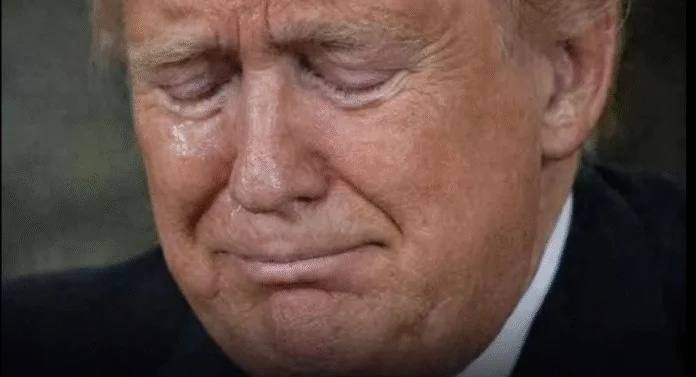
In Washington, D.C., countless moments unfold daily that influence the nation’s direction and shape public conversation.
Some are marked by speeches, ceremonies, and official decisions, while others happen quietly, witnessed by only a few.
These quieter moments often reveal something deeper—insights into leadership that exist beyond policy and politics, grounded in reflection and self-awareness.
One such moment recently drew attention when former President Donald Trump was seen in a contemplative state during his time in the capital.
Removed from cameras, statements, and prepared remarks, the scene suggested a rare pause from the constant intensity that has defined much of his public life.
For someone so often associated with headlines and strong reactions, the stillness stood out.
Leadership is frequently evaluated by actions and results, but it is also shaped by moments of introspection. Observers noted that this instance served as a reminder that leadership involves personal reflection as much as public responsibility. Even the most high-profile figures experience moments that invite perspective and emotional consideration.
For many, witnessing a prominent leader in a thoughtful, private moment humanizes the role itself.
It highlights that leadership is not only about authority or visibility, but also about recognizing the weight of decisions and the personal impact they carry.
In a city driven by power and procedure, such moments quietly reaffirm that reflection remains an essential part of leadership’s human side
In Washington, D.C., history isn’t only made during major speeches or headline-grabbing votes. Every single day, countless unseen moments unfold across government offices, committee rooms, and crowded hallways—moments that can quietly influence the direction of the nation and reshape public conversation in ways most Americans never witness.
From early-morning strategy sessions to late-night negotiations, the rhythm of the capital rarely stops. Inside the United States Capitol, lawmakers and staff debate policy details that may eventually affect millions of lives. Just blocks away, decisions forming inside the White House can ripple across global markets, international alliances, and domestic priorities within hours.
But not every influential moment involves famous politicians. Staffers drafting legislation, policy advisors analyzing economic data, and advocates meeting with officials all contribute to shaping outcomes. A single conversation in a hallway or a last-minute amendment to a bill can sometimes change the trajectory of national policy.
Observers often focus on dramatic political clashes, yet the quieter interactions can be just as powerful. Bipartisan compromises sometimes emerge from private discussions rather than public debates. Unexpected alliances form over shared concerns, while disagreements behind closed doors may determine whether legislation moves forward or collapses entirely.
The city’s influence extends beyond government buildings. Think tanks, media organizations, and advocacy groups constantly generate ideas, research, and narratives that shape public opinion. A report released in the morning can dominate news cycles by evening. A comment made during an interview can spark nationwide debate within minutes.
For residents, this constant flow of activity becomes part of everyday life. For the rest of the country, however, Washington often feels distant—until decisions made there begin affecting jobs, healthcare, taxes, or national security. That’s when the unseen moments suddenly become very real.
Ultimately, Washington, D.C. operates like a living engine of democracy, powered not only by elections and speeches but also by thousands of daily interactions that rarely make headlines. And while most people may never witness these moments firsthand, their impact can shape the nation’s future for years to come.
If you want, I can also make a more dramatic or viral social-media style version with a stronger hook.