Keeping Eggs Fresh
Although eggs are a popular and versatile ingredient in many of our favorite recipes, it is important to store them properly to preserve their freshness and ensure their safety.
Here are some helpful tips to keep your eggs in top condition, whether you prefer store-bought eggs or fresh eggs.
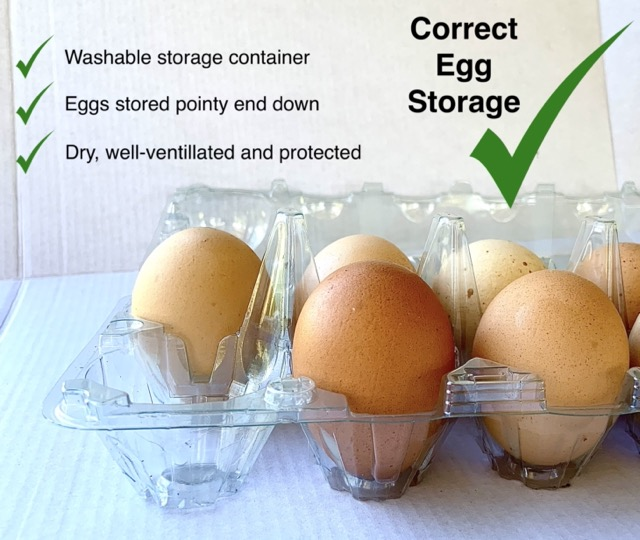
Cooling is key
The ideal temperature range for raw eggs is 35°F to 40°F (1.7°C to 4.4°C) in the refrigerator. In this way, you will extend their freshness for about three to five weeks. Don’t forget to store them in their original packaging to avoid unpleasant odors.
Strictly comfortable
Hard-boiled eggs are an easy alternative to a quick meal when you’re on the go. If you keep them in the fridge in sealed containers, they can stay fresh for up to a week.
How to properly store boiled eggs
It is important to let cooked eggs, such as scrambled or omelets, cool before placing them in airtight containers. If you follow this simple technique, it will remain edible for three to four days.

Liquid eggs and egg alternatives
Eggs are a staple in millions of kitchens, but many people don’t realize they may be storing them in a way that shortens their freshness without even knowing it. A small change in how you handle and store eggs can make a noticeable difference — not only in how long they last, but also in how they taste when you finally cook them.
One of the biggest mistakes happens the moment you get home from the store.
Many refrigerators come with a built-in egg tray on the door, and it seems like the perfect place to keep them. However, the door is actually the warmest and most temperature-unstable part of the fridge because it’s opened frequently. Constant temperature changes can cause eggs to spoil faster than if they were stored deeper inside where it stays consistently cold.
Another detail that often surprises people is the original carton. Keeping eggs in their carton instead of transferring them to a separate container helps protect them from absorbing odors from other foods. Eggshells are porous, meaning smells from onions, garlic, or leftovers can seep in over time.
There’s also a simple freshness test many people swear by: the water test. Place an egg in a bowl of water — if it sinks and lies flat, it’s very fresh. If it stands upright or floats, it’s older and should be used soon or discarded. This happens because air gradually enters the egg as it ages.
Some households even store eggs with the pointed end facing downward. This position helps keep the yolk centered and can extend freshness slightly longer, especially for eggs stored over several weeks.
The truth is, eggs often last longer than the date printed on the carton if they’re stored correctly. Proper refrigeration and minimal temperature changes are the biggest factors.
It’s a small habit change, but one that can save money, reduce food waste, and ensure your meals taste better. And once you know the difference, you might never store eggs the same way again.
Liquid eggs come in cartons to make cooking easier. If unopened, they can be stored up to a week after the “sell by” date.
However, we recommend consuming them within two days of opening. However, egg substitutes often used in baking have a longer shelf life of 10-14 days if properly sealed and refrigerated.
Stopping the development of bacteria
It is important to keep eggs below 40°F (4.4°C) to prevent the growth of bacteria and diseases such as Salmonella. Because the bacteria thrive in warmer climates, you should be especially careful when leaving egg-based foods at room temperature.
Float test
Here’s a quick “float test” you can use to determine if an egg is fresh.
The egg should be submerged in a bowl of water. Older eggs can float because of the enlarged air pocket, but fresh eggs will sink to the bottom.
By following these simple guidelines, you can be sure to enjoy the culinary delights that eggs have to offer.
As a reminder, eggs continue to be a reliable and enjoyable element in our kitchens if they are handled and stored properly.
By following these storage and handling tips, you can ensure that your eggs stay fresh, safe, and ready to enhance your favorite recipes. To preserve the quality of raw and cooked eggs, proper refrigeration, careful handling, and awareness of shelf life are essential. Whether you’re whipping up a quick snack, baking a delicate dessert,t or whipping up a hearty breakfast, these simple recipes will help you get the most out of this versatile ingredient.
Eggs are a staple of cuisines around the world and are prized for their adaptability and nutritional value. However, their perishable nature requires careful handling to prevent foodborne illnesses such as Salmonella. By storing eggs at the appropriate temperature, avoiding prolonged exposure to room temperature, and performing quick freshness checks such as the “float test”, you can enjoy their culinary potential with confidence.
When handled properly, eggs can remain a reliable, delicious, s and nutritious ingredient in your meals. Prioritize their safety and storage to fully appreciate their versatility and flavor in your everyday cooking adventures.