Firefighters Caution Against Leaving Water Bottles in Cars Due to Potential Dangers
Firefighters warn against leaving water bottles in cars.
Most people don’t think twice about leaving a plastic water bottle in their car. It seems harmless — convenient, even. But firefighters are now warning that this everyday habit could pose a surprising risk under the right conditions, and the reason has caught many drivers off guard.
The concern centers around sunlight and heat.
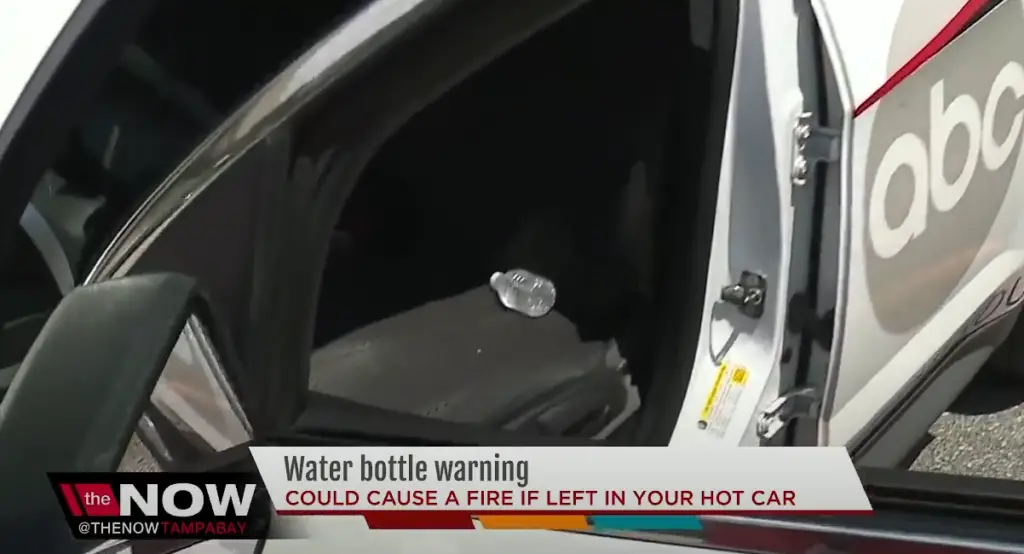
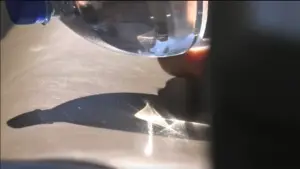
When a clear plastic bottle filled with water is left inside a vehicle, especially on a sunny day, it can act like a magnifying lens. Sunlight passing through the curved surface of the bottle can concentrate into a focused beam, potentially generating enough heat to ignite certain materials — particularly fabrics or paper. While rare, there have been documented cases where this effect caused smoldering or small fires inside vehicles.
Fire safety professionals emphasize that the risk increases when bottles are positioned in direct sunlight, such as on a dashboard, seat, or center console. Vehicles can heat up rapidly, and combined with concentrated light, conditions may become dangerous faster than many people realize.
Beyond fire concerns, there are also health considerations. High temperatures inside cars can cause certain plastics to degrade over time, potentially affecting the taste and quality of the water. While occasional exposure is unlikely to cause harm, repeatedly drinking from bottles that have been heated for long periods isn’t recommended.
Experts suggest simple precautions to avoid problems:
-
Keep bottles out of direct sunlight
-
Store them in shaded compartments or bags
-
Remove them from the car during hot weather
-
Avoid reusing disposable plastic bottles for extended periods
For many drivers, this warning comes as a surprise because the risk feels counterintuitive. After all, water is associated with safety — not fire. But under specific circumstances, the combination of heat, light, and plastic can create unexpected hazards.
The takeaway is straightforward: small habits can sometimes carry hidden risks. Being aware of them is often enough to prevent trouble before it starts.
Firefighters warn the public about the risks of leaving plastic water bottles in cars, which can start a fire in specific situations. The risk is sunlight, which acts like a magnifying glass when passing through water.
Sunlight can shine through a plastic bottle filled with water onto a flammable surface, causing a fire.
Firefighters have proven that this can happen in a matter of minutes. In one case, an Idaho firefighter found his car seat smoking after sunlight focused on the upholstery after it was refracted by a water bottle.
Fire officials recommend not leaving water bottles in cars, especially in direct sunlight, to prevent these types of fires. If necessary, use opaque bottles or store them in the shade. Public awareness campaigns aim to spread this information and reduce the likelihood of car fires.
In conclusion, the fire department’s warning about leaving water bottles in cars is a timely reminder of the potential danger that can arise from exposure to everyday items when exposed to certain conditions. The risk of fire from sunlight refracting through a plastic water bottle highlights how seemingly harmless actions can lead to dangerous situations.
By raising awareness of this risk, firefighters hope to reduce the incidence of car fires and encourage the public to take simple precautions such as using opaque bottles or keeping them out of direct sunlight. Once individuals are aware of these risks, they can play a vital role in preventing preventable fires and ensuring their own safety and the safety of others.