If you lay down with a fan each evening, here’s the impact on your body and wellbeing

Do you turn on a fan before bed? While certain individuals say the cool wind and low murmur assist them with nodding off, there could be a few disadvantages.
Fans don’t present serious dangers during the evening, yet for certain individuals, they could prompt somewhat aggravating side effects.
Peruse on to dive deeper into laying down with a fan on. In this investigation, we will take apart the complicated snare of advantages and possible disadvantages of this evening custom, revealing insight into the science behind everything.
Thus, on the off chance that you’re one of the incalculable people who depend on the delicate whirr of a fan to calm you to rest, or on the other hand assuming that you’re examining this daily custom, read on to reveal the entrancing impacts of laying down with a fan on your body and wellbeing.
The Advantages of Laying down with a Fan
Background noise Better Rest: Fans produce a steady, relieving sound that can cover other troublesome commotions in your current circumstance. This repetitive sound assist you with nodding off quicker and partake in a more profound, more serene rest.
Temperature Guideline: Fans can assist with controlling room temperature by flowing air, making it more agreeable to rest during blistering summer evenings. This can further develop your rest quality by forestalling overheating, which can prompt uneasiness and fretfulness.
Further developed Air Course: Fans can advance better air dissemination, diminishing the gamble of stodginess and allergen development in your room. This can be particularly advantageous for people with sensitivities or asthma.
Decreased SIDS Hazard: A few examinations propose that involving a fan in your child’s room might lessen the gamble of unexpected baby passing disorder (SIDS). While more exploration is required, it is accepted that expanded air course and diminished carbon dioxide levels might add to this likely advantage.
The Expected Downsides
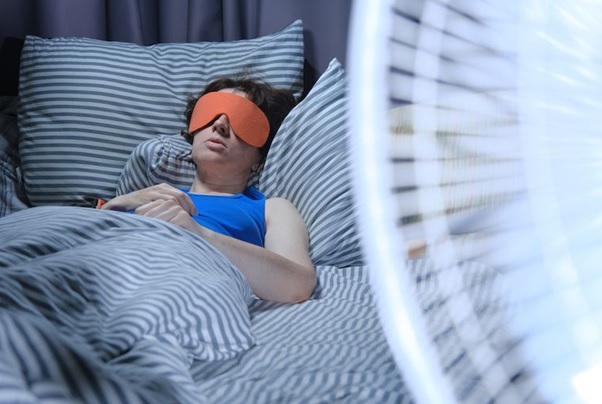
Dry Skin and Eyes: Laying down with a fan can dry out the air in your room, possibly prompting dry skin and eyes. To balance this impact, consider utilizing a humidifier related to a fan, particularly throughout the cold weather months.
Muscle Solidness: The steady breeze from a fan can prompt muscle firmness and uneasiness, particularly on the off chance that it blows straightforwardly on you while you rest. Position the fan so it doesn’t make an immediate wind stream on your body.
Expanded Allergen Openness: While fans can assist with diminishing allergen development in your room, they can likewise work up residue and allergens in the event that not cleaned routinely. Make certain to clean your fan edges and encompassing regions to limit allergen openness.
Commotion Responsiveness: While many individuals find the repetitive sound a fan mitigating, a few people might turn out to be more delicate to clamor after some time. In the event that this occurs, you might have to rethink utilizing a fan or pick a calmer fan model.
Ecological Effect: Running a fan all night can consume power, which adds to your carbon impression. Consider utilizing energy-proficient fans and switching them off when not expected to lessen ecological effect.
For many people, the gentle hum of a fan has become part of the nightly routine. Whether it’s to cool the room, create soothing white noise, or simply make sleep feel more comfortable, fans are a common bedroom companion—especially during warmer months. But what actually happens to your body when you sleep with a fan on every night? The answer might surprise you.
🌙 The Comfort Factor: Why Fans Help You Fall Asleep Faster
One of the biggest benefits of sleeping with a fan is temperature regulation. Your body naturally lowers its core temperature to prepare for sleep. A cool environment supports this process, helping you fall asleep more quickly and stay asleep longer. The steady airflow can also prevent overheating, which is a major cause of nighttime wake-ups.
The consistent sound of a fan can act as white noise, masking background disturbances like traffic, neighbors, or household sounds. For light sleepers, this can make a noticeable difference in sleep quality.
💨 The Hidden Downsides You Might Not Expect
While fans can improve comfort, there are also some potential drawbacks—especially if used every night.
1. Dry Air and Irritation
Continuous airflow can dry out your nasal passages, throat, and skin. Some people wake up with a scratchy throat, dry eyes, or mild dehydration symptoms without realizing the fan may be contributing.
2. Allergy Triggers
Fans circulate air throughout the room, which can also move dust, pollen, and pet dander. If your fan blades aren’t cleaned regularly, you might be breathing in more allergens than you think, potentially leading to congestion or sneezing.
3. Muscle Stiffness
Sleeping in a direct stream of cool air—especially if the fan is pointed at your body—can cause muscles to tighten overnight. Some people report waking up with neck or shoulder stiffness after long exposure to moving air.
🧠 The Psychological Benefit: Routine and Relaxation
Interestingly, the presence of a fan can also become a mental sleep cue. When your brain associates a specific sound or sensation with bedtime, it can trigger relaxation more quickly. Over time, simply turning on the fan may signal your body that it’s time to wind down.
✅ How to Use a Fan Without the Negative Effects
If you love sleeping with a fan, you don’t necessarily need to stop. Small adjustments can help you enjoy the benefits while avoiding discomfort:
-
Clean the fan blades regularly to reduce dust circulation
-
Avoid pointing airflow directly at your face or body
-
Use a humidifier if you notice dryness
-
Stay hydrated before bed
-
Adjust speed settings to a comfortable level
😴 The Bottom Line
Sleeping with a fan isn’t harmful for most people—and in many cases, it can actually improve sleep quality. However, the effects vary depending on your sensitivity to airflow, allergies, and room conditions. Paying attention to how your body feels in the morning is the best indicator of whether your nightly fan habit is helping or hurting your wellbeing.